
Introduction: Why Teams and Support Matter
March’s theme focuses on Belief Systems, a key pillar of the goals framework outlined in Unchained: Success Unlocked. While belief begins within, its strength is amplified in the presence of a supportive network. You may have the greatest ideas, ambitions, and plans—but without the right team or community, even the most driven individuals can stall.
As the African proverb says:
“If you want to go fast, go alone. If you want to go far, go together.”
Last week’s blog explored How to Find the Right Accountability Partner. This week, we scale that concept. We’re talking about teams—the people around you who either fuel your momentum or subtly drain it. Whether you're an individual chasing personal goals, leading a project team, or running an organisation, building the right support network can make or break your success.
- The Science Behind Supportive Networks
- A study by the American Psychological Association found that people with strong social support networks are more likely to meet their goals and experience reduced stress during setbacks.
- Google’s Project Aristotle found that the most successful teams shared one essential trait: psychological safety—the belief that the environment is safe to take risks and express vulnerability.
- According to Harvard Business Review, cohesive teams with shared goals and open communication outperform others, even in high-stress conditions.
- Characteristics of Successful, Supportive Teams
- Shared Vision: Everyone moves in the same direction.
- Open Communication: Feedback is welcomed and encouraged.
- Mutual Accountability: Each member holds themselves and others responsible.
- Trust and Safety: Team members feel safe to express ideas and setbacks without fear.
- Aligned Values: The team shares a common set of principles.
- From Connection to Collaboration: Building Your Network
How to build one:
- Be Intentional: Surround yourself with people who challenge you to grow.
- Give First: Provide value and support to others without expecting immediate returns.
- Join the Right Communities: Attend workshops, join masterminds, or collaborate on mutual interests.
- Be Consistent: Supportive networks aren’t built overnight—they grow through shared experiences and trust.
- The Role of Belief Systems in Team Dynamics
- People with strong belief systems inspire others.
- A team that believes in its mission and each other is more resilient and goal-driven.
- As explained in Unchained, belief is a foundation for action. Teams that believe success is possible will work harder and smarter to achieve it.
- Tools for Creating Supportive Team Culture
- Weekly Stand-Ups: 30-minute sessions to track progress and address roadblocks.
- Collaborative Platforms: Tools like Trello, Notion, or Microsoft Teams to ensure visibility and shared goals.
- Shared Wins & Rituals: Regular reflection sessions and celebrating small wins.
- Team Agreements: Simple rules around communication, responsibility, and conduct.
- Real-Life Example: Turning Teams Around
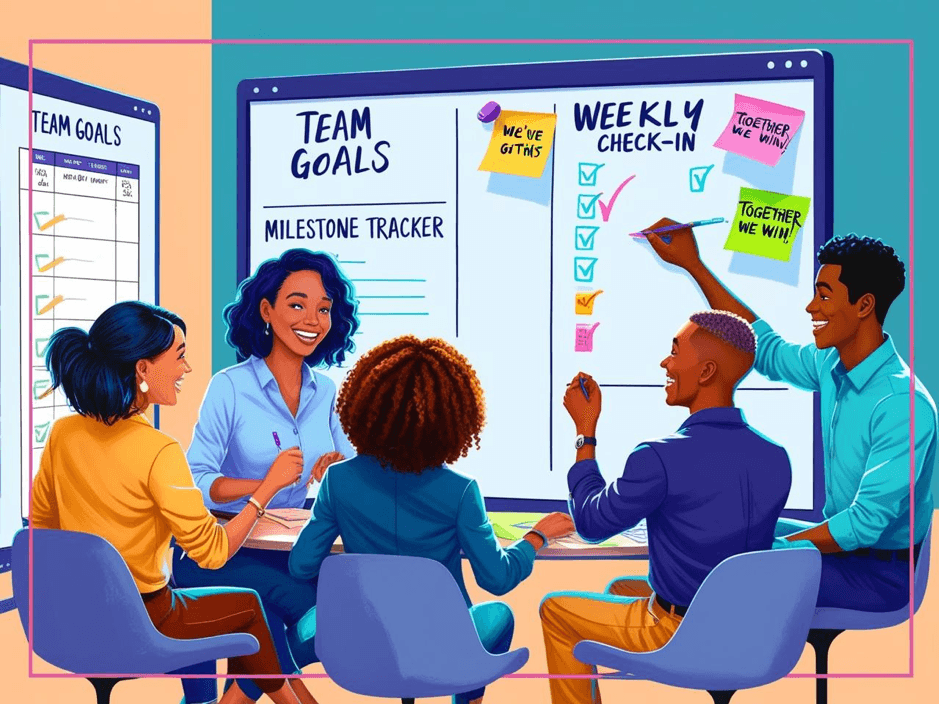
I implemented a simple system:
- Weekly 30-minute stand-up check-ins.
- Use of collaborative milestone boards.
- Team leads committed to specific weekly deliverables.
- How to Assess and Strengthen Your Network
- Do the people around me help me stay focused on my goals?
- Do I feel safe sharing wins and struggles?
- Is my team motivated by a shared purpose?
Conclusion: Success Is a Team Sport
Even the most ambitious individuals need others to soar. Strong teams—built on trust, shared values, and consistent accountability—will help you turn setbacks into comebacks, and goals into realities.
Whether you’re building a personal brand, leading a project, or guiding an organisation—invest in your people. Because your success is not just in your vision—it's in the support structure around you.
Related Blogs
- How to Find the Right Accountability Partner (https://unchainedforsuccess.com/how-to-find-the-right-accountability-partner/)
- Breaking Free: Identifying Limiting Beliefs (https://unchainedforsuccess.com/breaking-free-identifying-limiting-beliefs/)
- Staying Committed: Habit Hacks for Everyday Life (https://unchainedforsuccess.com/staying-committed-habit-hacks-for-everyday-life/)
References
- Kwegyir-Afful, C. (2023). Unchained: Success Unlocked – A Proven Framework for Achieving Your Goals.
- Google Inc. (2015). Project Aristotle.
- Harvard Business Review. (2017). The Secrets of Great Teamwork.
- American Psychological Association. (2020). Social Support and Goal Success.
- Duhigg, C. (2012). The Power of Habit.
Continue Your Journey
Explore more resources from the Unchained Goals Framework: